r/IndianHistory • • 10m ago

Please avoid using AI generated videos and images in your posts and comments

• Upvotes

Please avoid using images and videos that are generated using AI in your comments and posts otherwise they will be removed and repeated infractions will result in a permanent ban.


r/IndianHistory • • 5d ago

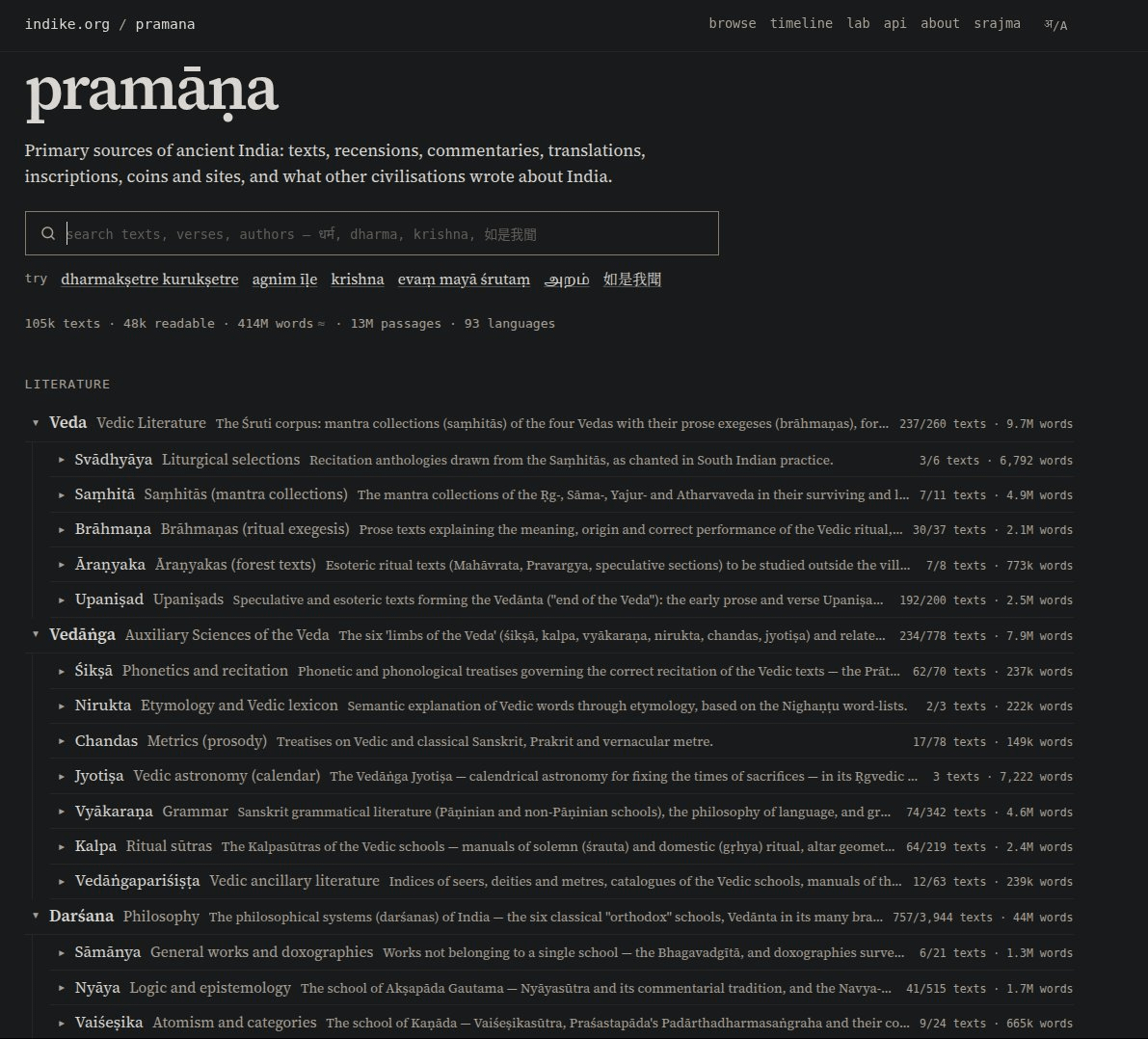
Classical 500 BCE–550 CE Announcing Pramāṇa: a comprehensive database of Indian primary sources

46 Upvotes

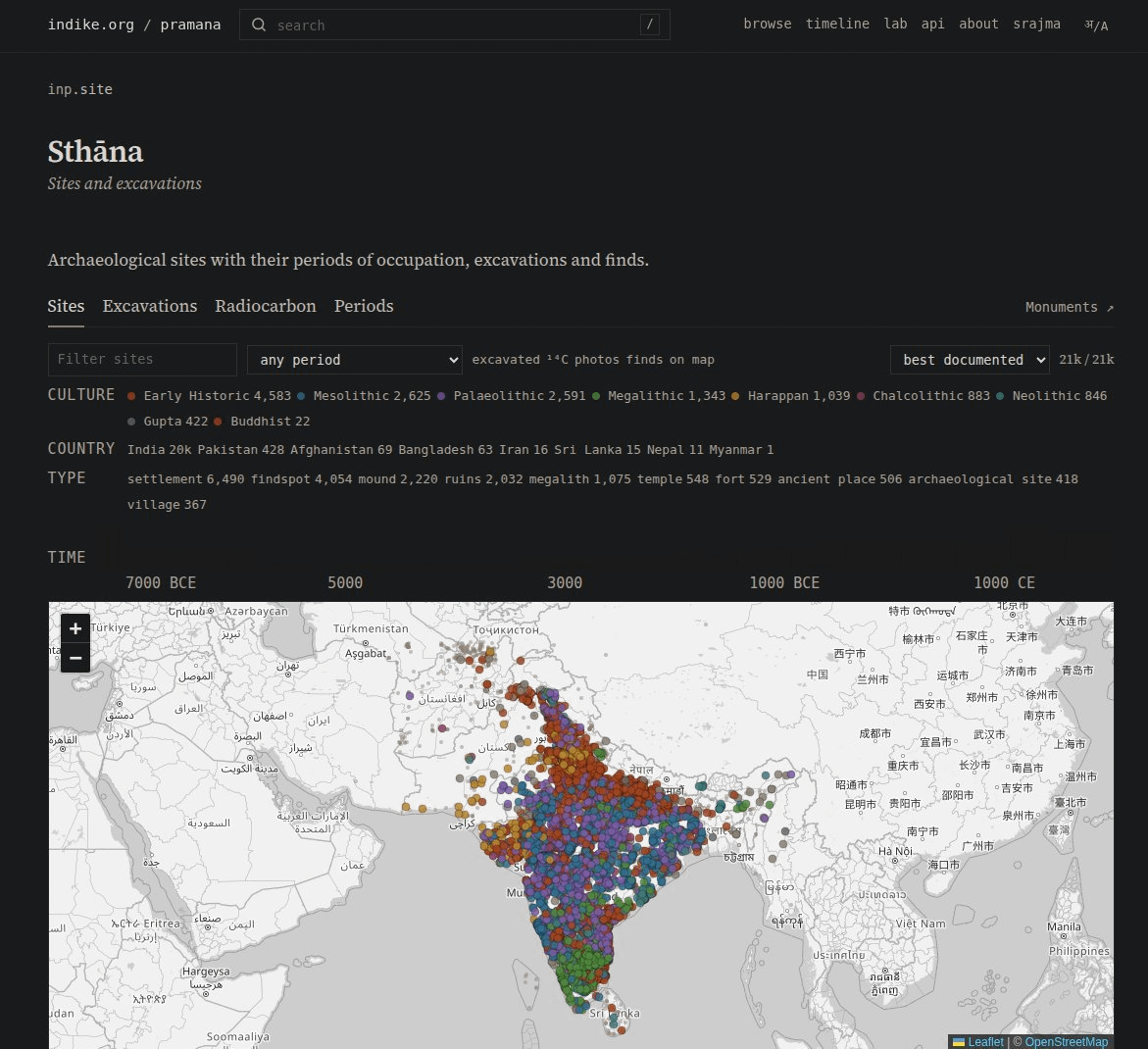
I have built the most comprehensive database of Indian primary sources ever created: indike.org/pramana

Any:

  • text (including recensions, commentaries, commentaries on commentaries etc.)
  • inscription, coin type...
  • foreign text relevant to India
  • digitizations of Archaeological survey this, Epigraphica XYZ, excavation reports, whatever

That you can think of, is here.

Stuff that is new in Pramāṇa, apart from compiling existing sources and making them readable:

  1. 2,415 texts and 18,769 inscriptions OCR'ed for the first time (number is increasing based on my personal budget)
  2. 16,432 texts and inscriptions translated into English for the first time (at least digitally) including various Brāhmaṇas, the famous śulba-sutras, 47 Tamil Saṅgam texts etc.
  3. 1M verse links recensions, translations and commentaries so that any text can be viewed alongside its translation, commentaries etc.

We also have a nice research API that you can play with on the website itself. E.g. observe the sharp drop in Indian scholarly production after ~1000 AD:

Or the fall of Indra:

(You might also remember me from my previous project xatra that I announced here. It was then a Python project for making historical maps and Ollie Bye style visualizations, now it is a full-fledged website indike.org/xatra with a GUI builder and public sharing.)

Limitations: I can only OCR and translate stuff that is already available in scanned copies (on archive.org, the Ministry of Culture portal etc). By my current estimate I have:

  • 33% of all printed Indian texts available as a scan (growing to ~60% over the next few weeks)
  • 20% of all Indian texts ever printed (growing to ~35%)
  • 4% of all known ~200K traditional Indian texts as cataloged in the NCC and similar compendiums (growing to ~7%)
  • ~0% of all manuscripts rotting in libraries somewhere

I believe the Manuscripts and Inscriptions Digitization Project: https://midf.org.in/ is working on solving the last problem which is the hardest one, and they are raising funds, so if you want to contribute to the cause that is the best place to give financially.


r/IndianHistory • • 11h ago

Colonial 1757–1947 CE What happened to the freedom fighters of the 1857 Revolt after the British crushed them is one of the saddest chapters of Indian history
Post image
557 Upvotes

But by 1858, the British had regained the military advantage.

And then came the reprisals.

Thousands of suspected rebels were captured, executed or imprisoned. Some were hanged after trials, while others were killed without proper judicial proceedings. In certain cases, prisoners were executed by being blown from cannons, a punishment that destroyed the body as well as serving as a public demonstration of colonial power.

British reprisals also killed civilians. In places where British forces retook control, revenge was inflicted on people suspected of supporting the rebellion. The scale and circumstances varied from place to place, but the aftermath was marked by widespread violence and punishment.

Imagine surviving a battle against an empire, only to discover that defeat could mean execution, imprisonment or exile and that even your family might suffer because of your participation.

Consider what happened to the people who led the uprising.

Bahadur Shah Zafar, the last Mughal emperor, was captured after the British retook Delhi. He was tried and exiled to Rangoon, in present-day Myanmar, where he died in 1862. The elderly emperor who had become the symbolic head of the rebellion spent his final years far from Delhi, the city with which his life and dynasty had been so closely associated.

His sons and grandson were killed by British officer William Hodson after the emperor's capture. The Mughal dynasty, which had once ruled much of the subcontinent, was effectively brought to an end.

Rani Lakshmibai of Jhansi died fighting British forces in June 1858. She became one of the rebellion's most enduring figures, but her story also reminds us that many who resisted colonial rule never lived to see what their sacrifice would mean to later generations.

Tantia Tope, one of the rebellion's most persistent military leaders, continued fighting after several major rebel strongholds had fallen. He was eventually captured, tried by a British military court and executed in April 1859.

Others experienced different fates. Begum Hazrat Mahal, who had played a major role in the resistance in Awadh, eventually sought refuge in Nepal. Nana Sahib disappeared from the historical record after the rebellion, and his ultimate fate remains uncertain.

But the most painful stories are not always those of famous leaders.

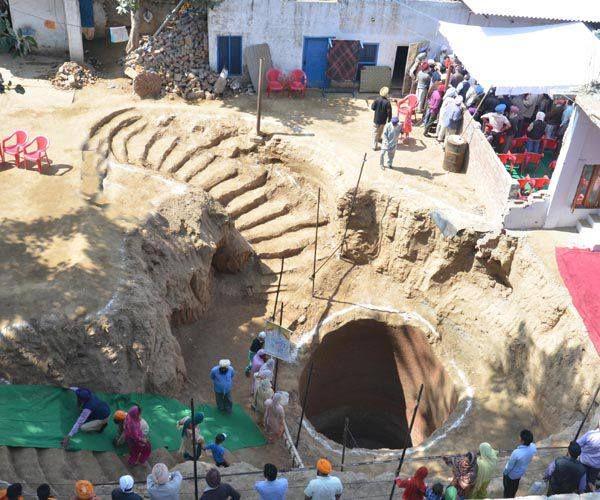
In Ajnala, in present-day Punjab, hundreds of Indian soldiers who had rebelled against British authority were captured in 1857. On 1 August, under the orders of British deputy commissioner Frederic Cooper, 237 prisoners were summarily executed. The remaining prisoners were found dead or dying in an overcrowded, poorly ventilated enclosure. Their bodies were thrown into an abandoned well.

The remains of 282 people believed to have been killed in this episode were excavated from the site in 2014, bringing renewed attention to the massacre.

Think about that for a moment.

Hundreds of men had participated in a rebellion that would become one of the defining episodes of nineteenth-century Indian history. Their lives ended in a mass killing, and their remains lay buried for generations before the site received renewed attention.

They were not emperors or celebrated queens. They were soldiers whose names, in many cases, have not survived in popular memory.

The consequences extended beyond the executions. The British East India Company lost control of India to the British Crown in 1858. The Mughal dynasty was finished, the colonial government reorganised the army, and British policy increasingly sought to prevent another uprising on the same scale.

The rebellion had failed to end British rule. Independence would take another ninety years.

That is what makes the aftermath so difficult to think about. Many of those who fought in 1857 would never live to see an independent India. They fought in a world where the outcome was uncertain, where defeat could mean death or exile, and where the future they hoped for remained beyond their reach.

We often celebrate freedom fighters through statues, commemorations and a few familiar names. There is nothing wrong with honouring those individuals. But perhaps we should also remember the thousands whose names were never recorded in the same way, whose graves were never marked, and whose families were left to live with the consequences.

The Revolt of 1857 did not succeed in ending colonial rule. But the courage, desperation and suffering of those who participated in it became part of the much longer history of resistance to British rule.

And when the rebellion was crushed, many paid for that choice with their lives.

Sources


r/IndianHistory • • 2h ago

Vedic 1500–500 BCE Ancient Indian History has changed how I see religion

32 Upvotes

I just finished studying Ancient India, from the IVC to the Rajputs, and honestly, I’m shocked.

So many religious concepts seem to have been shaped by human beings themselves. Kings and rulers, who were just humans, played a role in shaping religious beliefs and traditions.

From the ten avatars of Vishnu, where Buddha appeared in some earlier lists and Balarama with his plough in others, to the development of different Buddhist traditions and Buddha’s association with divinity, there’s so much to think about.

It’s honestly mind-blowing to realise how much of what we follow today has a history shaped by people who lived thousands of years ago. It makes you question things you’ve grown up believing.


r/IndianHistory • • 30m ago

Visual I recently created a documentary exploring Incest in India (history, culture, and laws). It's a passion project, would love for you guys to check it out.

Enable HLS to view with audio, or disable this notification

• Upvotes

r/IndianHistory • • 13h ago

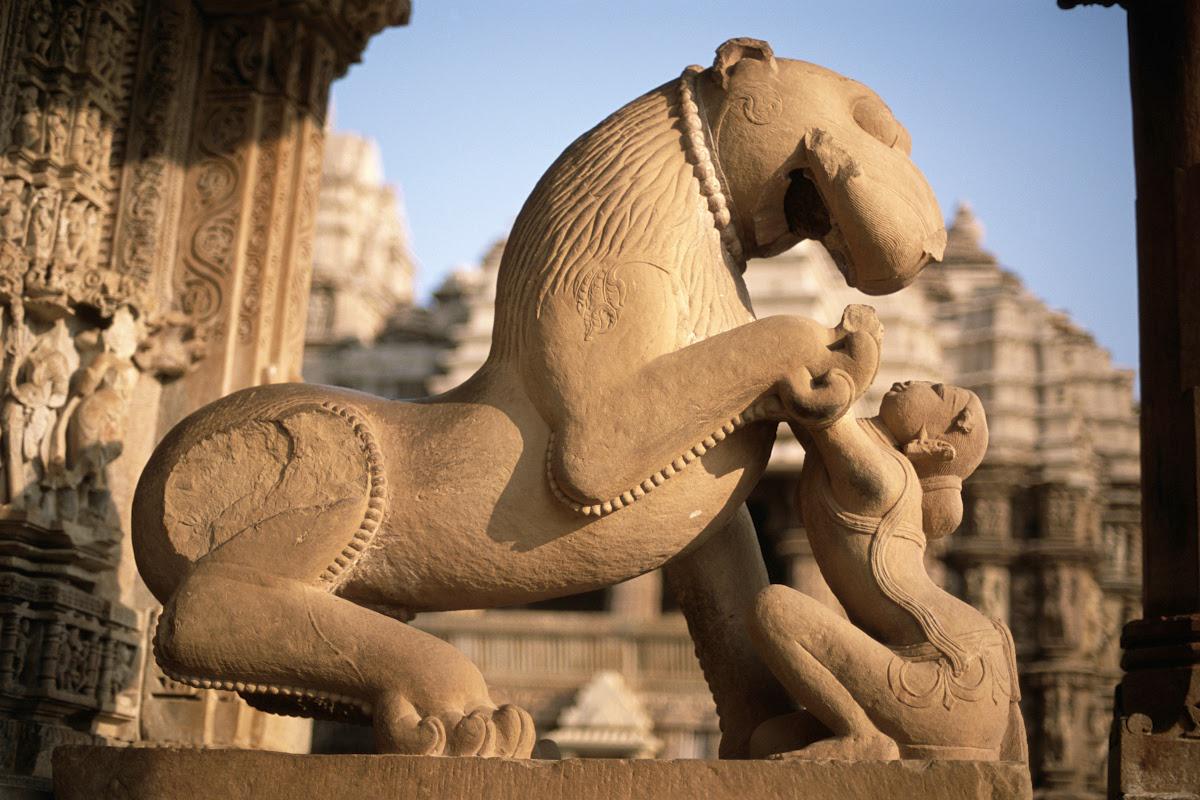
Question Tell me interesting facts about Khajuraho temple

Post image
63 Upvotes

r/IndianHistory • • 12h ago

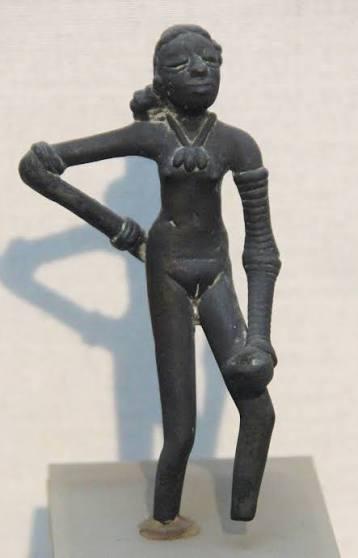
Artifacts Dancing girl Mohen Jo Daro 2500 BC

Post image
47 Upvotes

r/IndianHistory • • 7h ago

Early Medieval 550–1200 CE Why all of a sudden Pratihara Kings started having names like Pala ?

13 Upvotes

Mihir Bhoja's son name was Mahendrapala, and later there were kings like Mahipala, Vijayapala, Rajyapala. My question is why they started naming themselves like their arch enemies (Palas)


r/IndianHistory • • 15h ago

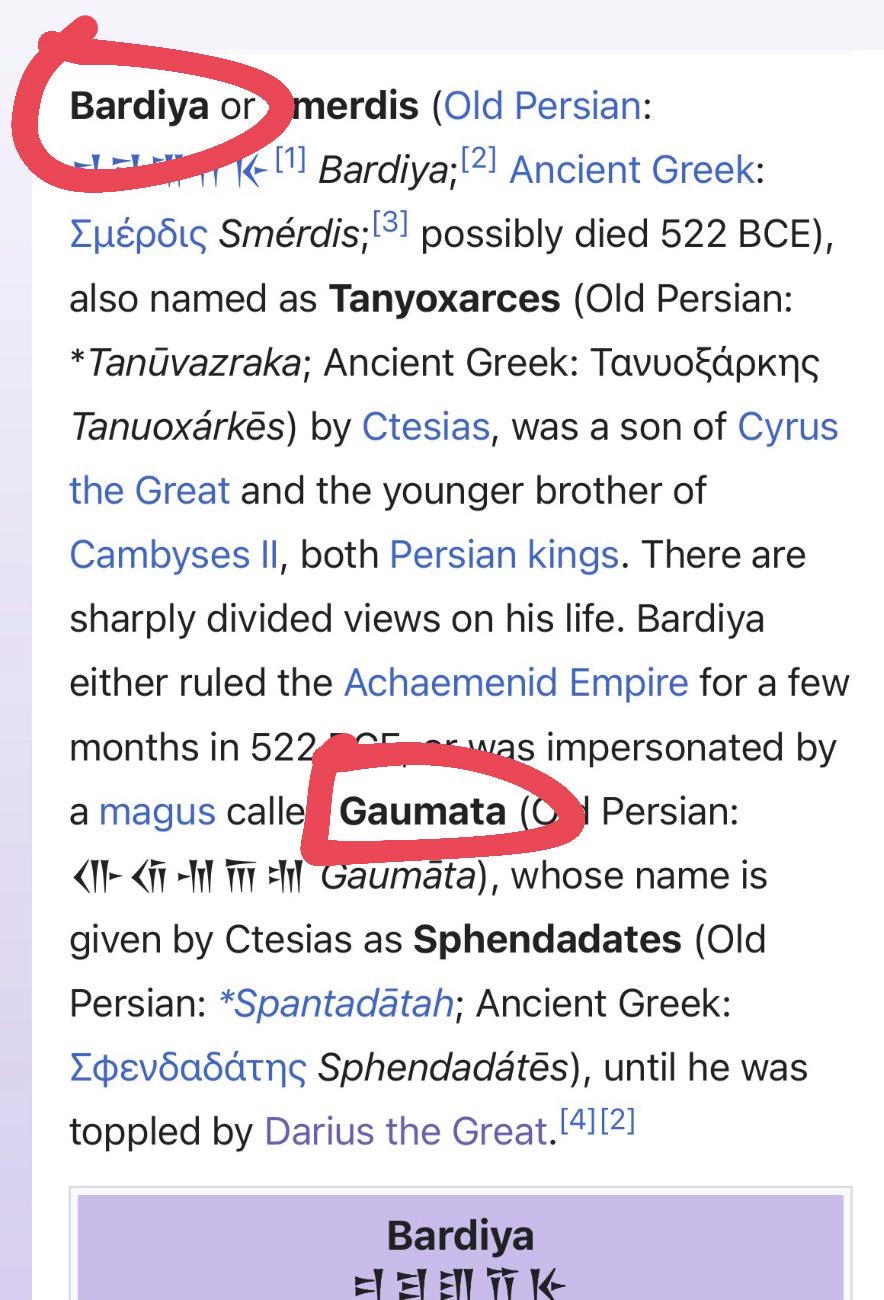
Linguistics Reading Persian history and came across two coincidences.

Post image
52 Upvotes

r/IndianHistory • • 20h ago

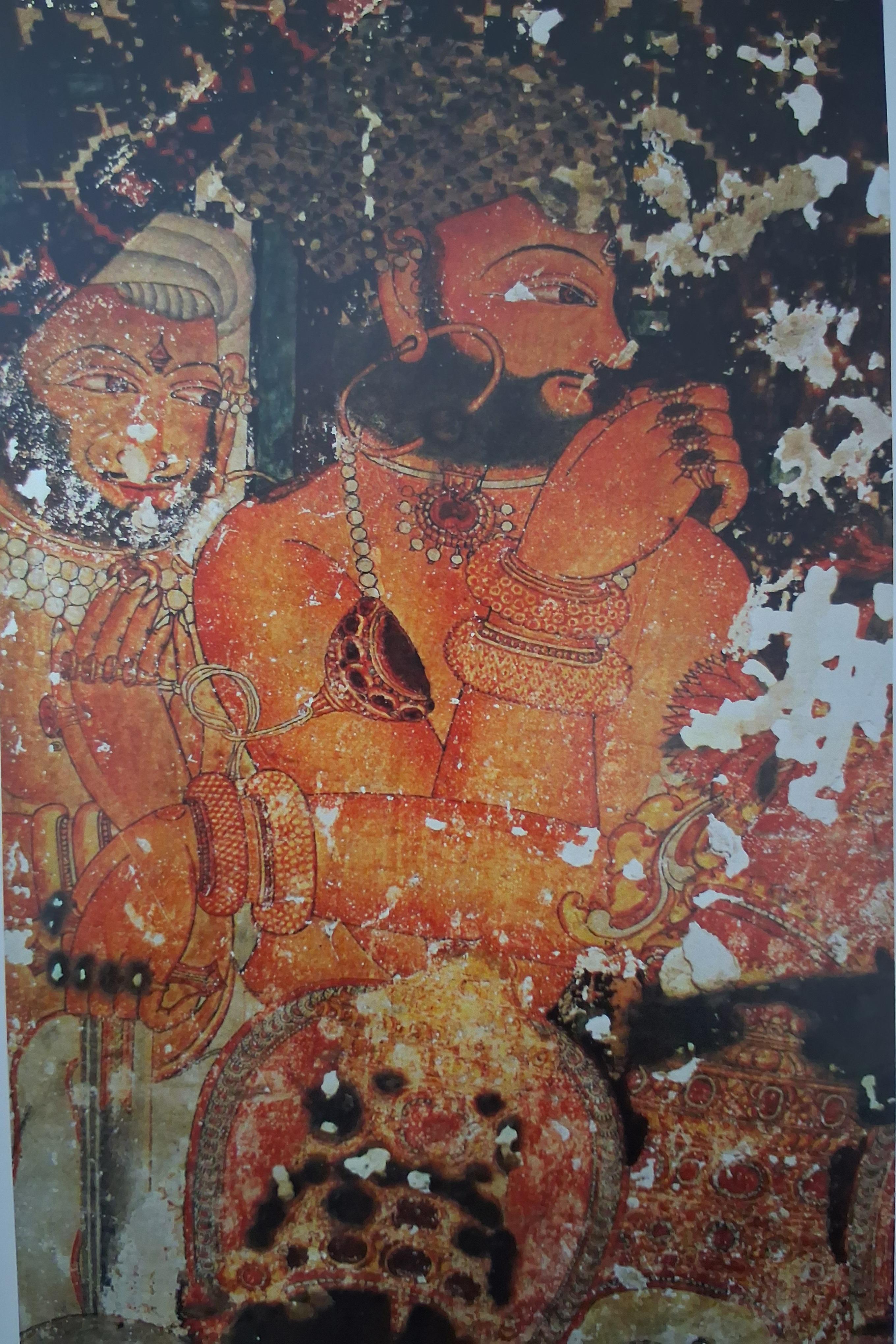
Colonial 1757–1947 CE An old mural painting depicting Raja Marthanda Varma, found within the Fort Palace complex in Trivandrum. It shows the Raja wearing traditional Regalia, something his successor replaced with Persian robes, and eventually British tailored suits.

Post image
75 Upvotes

Marthanda Varma, as many of you know, inherited the feudal backwater state of Venad (in southern Kerala) and transformed it into a major regional powerhouse in the 18th century. While he largely introduced Western concepts to Travancore's political and social life, he chose to portray himself as a man of tradition. He did not speak any European language and relied on translators all his life. He also wore the traditional malayali attire of a mundu along with various ornaments.

Karthika Thirunal, his nephew and successor, began wearing Deccani and Persian influenced clothing in public spaces, relegating the mundu to private or temple occassions. This he did in order to cultivate the image of a King who knew what the fashion was outside the borders of his realm.

Within 50 years of Karthika Thirunal's death, The Raja of Travancore started wearing European clothing as British influence grew.

Source of painting: The Forgotten Atelier: Painters, Patrons and the Artistic Legacy of the Travancore Court, Sharar Sundar Rajeev.


r/IndianHistory • • 1d ago

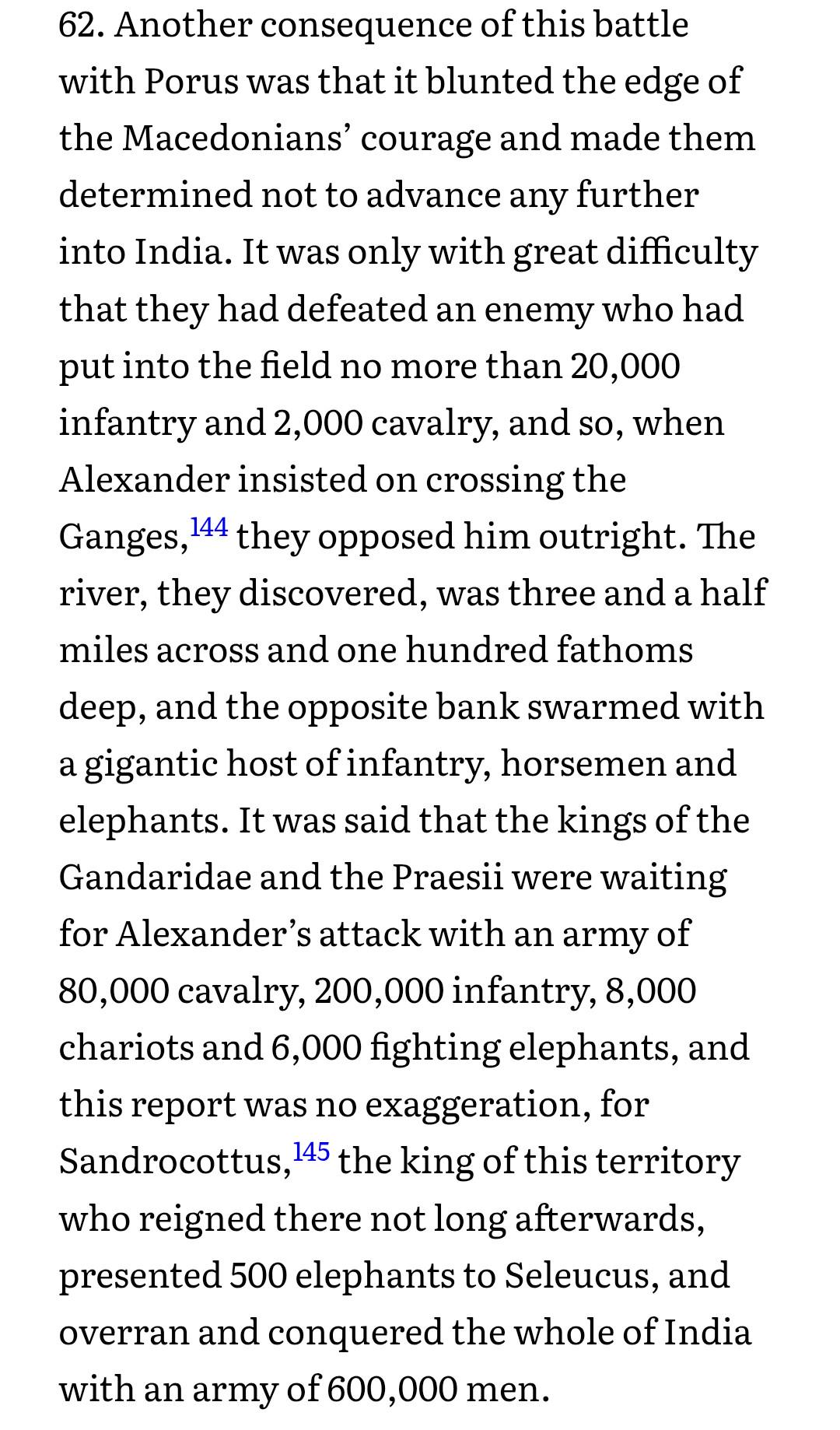
Classical 500 BCE–550 CE According to Plutarch it was the battle with Porus that led to mutiny of Alexander's troops

Post image
168 Upvotes

A second reason being news of a large Nanda army waiting for them.

Source - The Parallel Lives by Plutarch.


r/IndianHistory • • 1d ago

Artifacts Over 2,000 years ago, an artist in Bengal made a clay picture of a family with their dog

Post image
618 Upvotes

I recently came across this ancient terracotta artwork from Chandraketugarh in West Bengal, and what surprised me was how familiar the scene looked, even though it was created more than 2,000 years ago.

The artwork is known as "Plaque with a Royal Family" and dates back to the 1st century BCE, during the Shunga period. It is currently part of the Metropolitan Museum of Art's collection in New York.

At first glance, it might look like an ordinary piece of ancient sculpture. But when you look closely, there is a whole family scene carved into the clay.

A man is sitting on a chair, wearing an elaborate turban, jewellery and fine clothing. Beside him stands a woman, believed to be his wife. She is gently touching his knee while he has his hand behind her head. Their body language shows a kind of affection that we do not often get to see in ancient Indian artwork.

And the most interesting part is just below them.

There is a small child, believed to be their son, sitting beside a dog that he is holding by a leash. There are also two ducks and the remains of a monkey climbing the man's chair.

Just imagine that. More than 2,000 years ago, someone in Bengal decided to create an artwork showing a family spending time together, with animals around them.

What makes this piece especially interesting is that many terracotta plaques from this period showed gods, goddesses or religious scenes. But this one is different. It shows what appears to be a royal family in a peaceful and personal moment.

The details are also worth noticing. The jewellery, hairstyles, clothing and furniture give us an idea of how wealthy people were represented in art during that time. Even the small decorations on the pillars and the floor were carefully made.

The plaque is about 32.5 cm tall and 26 cm wide. It was made using terracotta, which is simply clay that has been shaped and hardened by heat.

The artwork is associated with Chandraketugarh, an ancient settlement in present-day North 24 Parganas, West Bengal. The area is known for its remarkable terracotta sculptures and other archaeological remains.

One interesting detail is that the plaque has small holes near its upper corners. According to the Metropolitan Museum of Art's research, it might once have been hung on a wall, perhaps as decoration or for religious purposes. However, its original use is still unknown.

We also do not know who the people shown in the artwork actually were, or whether they were based on a real family. The museum identifies them as a royal family, but that does not mean we know their names or their story.

The museum acquired the plaque in 1992, and today it remains in its collection in New York.

For me, the most fascinating thing about this artwork is not the royal clothing or the jewellery. It is the small child sitting with a dog.

When we read about ancient Bengal, we usually hear about kingdoms, rulers, wars, trade and religion. We rarely think about the ordinary human feelings and relationships that existed thousands of years ago.

This little piece of clay reminds us that people back then also expressed affection, cared about their families and included animals in their artwork.

Of course, we cannot say that this one sculpture represents how every family in ancient Bengal lived. But it gives us a rare glimpse into how an artist of that time imagined family life.

It is amazing that something made more than two thousand years ago can still feel so familiar today.

I wonder how many more objects like this are waiting to be studied or discovered in Bengal.

Source: The Metropolitan Museum of Art, New York

Artwork: Plaque with a Royal Family

Period: Shunga period, 1st century BCE

Origin: Associated with Chandraketugarh, West Bengal

Museum collection: https://www.metmuseum.org/art/collection/search/38575


r/IndianHistory • • 3h ago

Visual The ENTIRE History & EVOLUTION of Hinduism Explained in 40 mins

Thumbnail
youtu.be
0 Upvotes

From the Pre-vedic age to the modern Hinduism we know of - everything explored in this amazingly researched vid!


r/IndianHistory • • 1d ago

Post Independence 1947–Present The 1st Lok Sabha sat for avg 135 days/year between 1952-57. The 17th LS sat for only 55 days on an average between 2019 -2024. I wonder why: Have we solved India’s problems so well that there’s no need to discuss much in Parliament anymore?

Post image
52 Upvotes

r/IndianHistory • • 1d ago

Colonial 1757–1947 CE Mir Osman Ali Khan, the last Nizam of Hyderabad, was called the world's richest man in 1937. He kept the 185-carat Jacob Diamond on his desk as a paperweight

35 Upvotes

I've been reading about the 7th Nizam, and his life is full of contradictions that are better than fiction.

🎬 I also animated his story: India's Richest King Used a Diamond as a Paperweight. The written version is below if you'd rather read.

The fortune. He became Nizam in 1911, aged 25, ruling a state of about 82,000 square miles with its own army, its own currency (the Hyderabadi rupee) and its own railway. In February 1937 TIME magazine put him on its cover as the richest man in the world.

The paperweight. Among his jewels was the Jacob Diamond, about 185 carats, one of the largest in the world. He reportedly used it as a paperweight.

What he built. After the Great Musi Flood of 1908, which killed an estimated 50,000 people, two reservoirs were built above the city during his reign, Osman Sagar and Himayat Sagar, for flood control and drinking water. He also created Osmania University by firman in 1918, and his reign saw Osmania General Hospital, the State Bank of Hyderabad (1941), Begumpet airport and the High Court.

What he gave. He donated Rs 10 lakh to Banaras Hindu University and Rs 5 lakh to Aligarh Muslim University, along with grants to temples and other institutions.

The miser stories. Popular accounts describe him wearing the same cap for decades, smoking cheap cigarettes and haggling over small sums. These come from anecdotes rather than records, so take them as stories.

The gold myth. You'll often read that he donated 5,000 kg of gold to India in 1965. That isn't on record. Per Factly's RTI-based fact-check, he invested about 425 kg of gold in the 1965 National Defence Gold Bond scheme.

The end of the state. In September 1948 Hyderabad was integrated into India, and from 1950 to 1956 he served as Rajpramukh of Hyderabad State. He died at King Kothi palace on 24 February 1967. The curator of the Nizam's Museum estimates that around a million people joined his funeral procession.

Sources - Wikipedia, Mir Osman Ali Khan and Hyderabad State - Wikipedia, Osman Sagar / Great Musi Flood of 1908 - Factly: Nizam did not donate 5000 kg of gold

Disclosure: it's my own channel. The illustrations are drawn by me, and the narration is AI-generated.

▶ Watch: India's Richest King Used a Diamond as a Paperweight

Which do you think defined him more: the diamond on the desk, or the reservoirs that still supply the city?


r/IndianHistory • • 23h ago

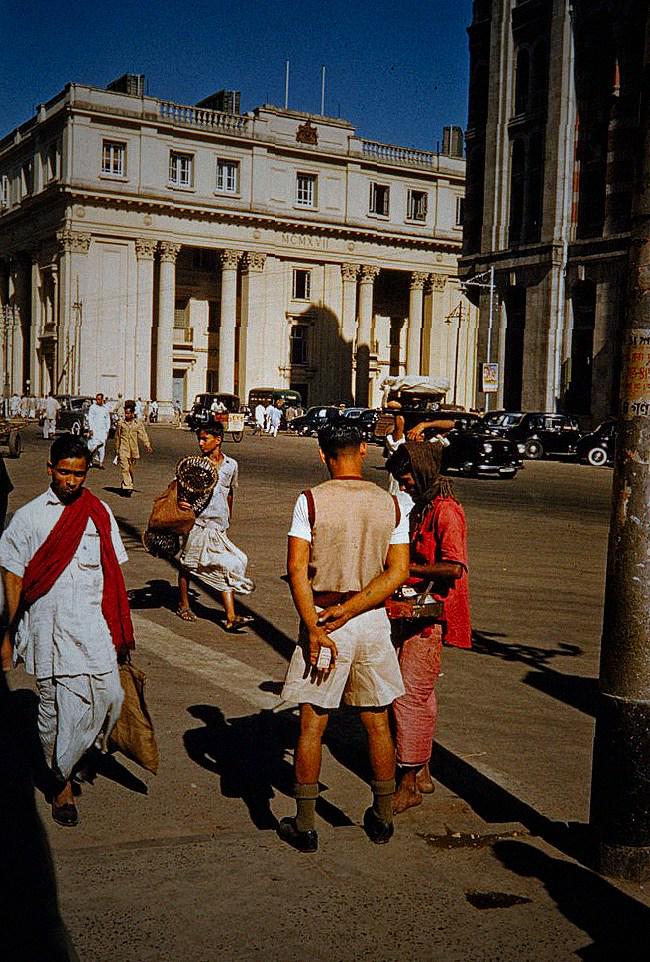
Artifacts Calcutta, 1960s

Post image
16 Upvotes

r/IndianHistory • • 18h ago

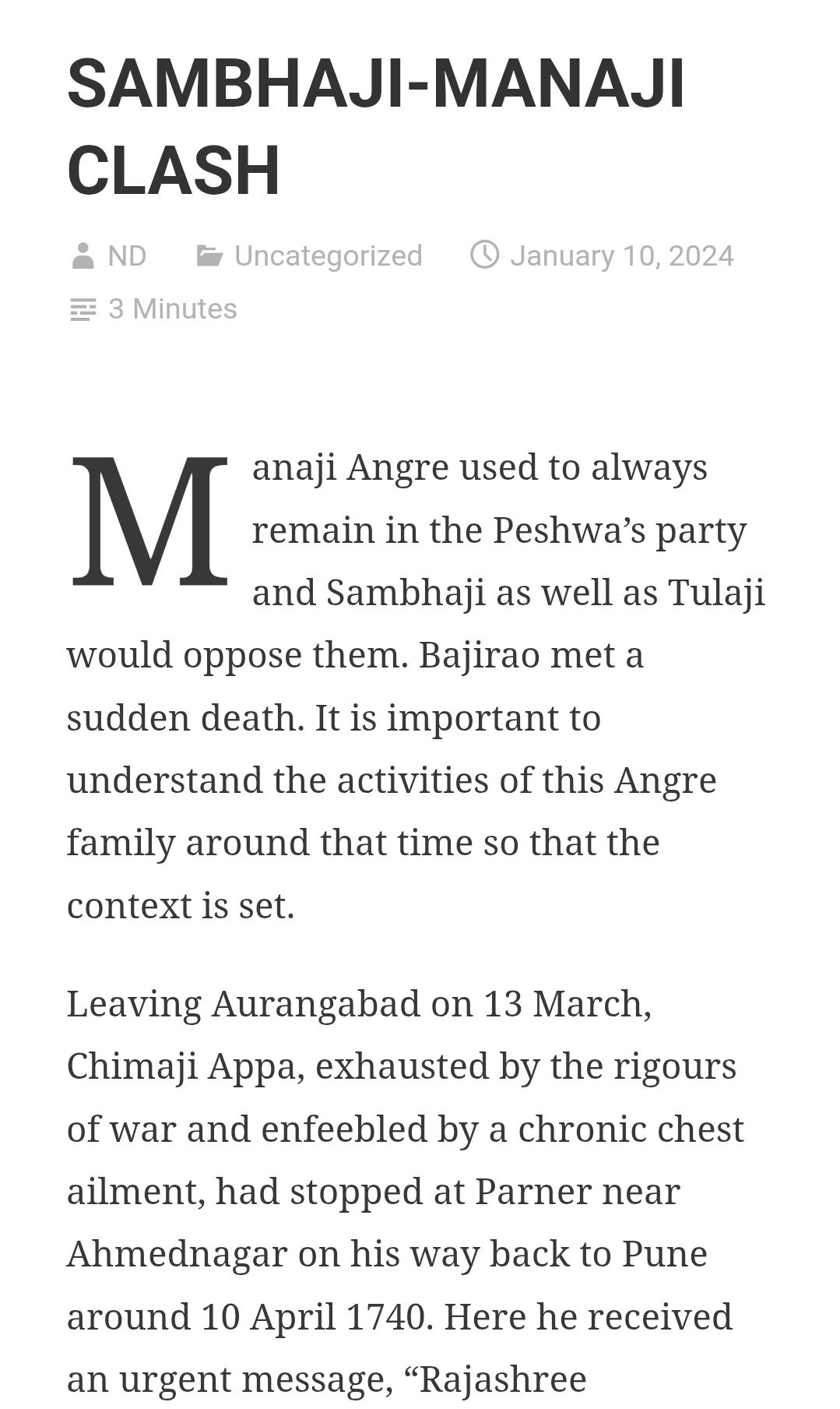
Early Modern 1526–1757 CE Sambhaji-Manaji Clash

Post image
3 Upvotes

Nanasaheb sent his chiefs Vitthal Shivdeo, Antaji Narayan and Vasudev Joshi with five hundred Rauts to the Konkan. Manaji had written a letter to Chimaji, which was forwarded to him, which he received on the way. Chimaji travelled by long marches and after stopping at Ghod River in early April 1740. He first sent a letter of assurance to Manaji. The next day, Chimaji’s convoy covered six Kos and arrived at Lohagaon. He dispatched some letters to the British to provide some help to Manaji. The same night, Chimaji called Nanasaheb from Pune, and Chimaji’s entire army accompanied Nanasaheb to the fort of Colaba.

https://ndhistories.wordpress.com/2024/01/10/sambhaji-manaji-clash/

Marathi Riyasat, G S Sardesai ISBN-10-8171856403, ISBN-13-‎978-8171856404.

The Era of Bajirao

Uday S Kulkarni

ISBN-10-8192108031

ISBN-13-978-8192108032.


r/IndianHistory • • 1d ago

Question Saw this stone at Baleshwar Temple in Champawat, Uttarakhand

Thumbnail
gallery
19 Upvotes

Is this devnagari script ?


r/IndianHistory • • 1d ago

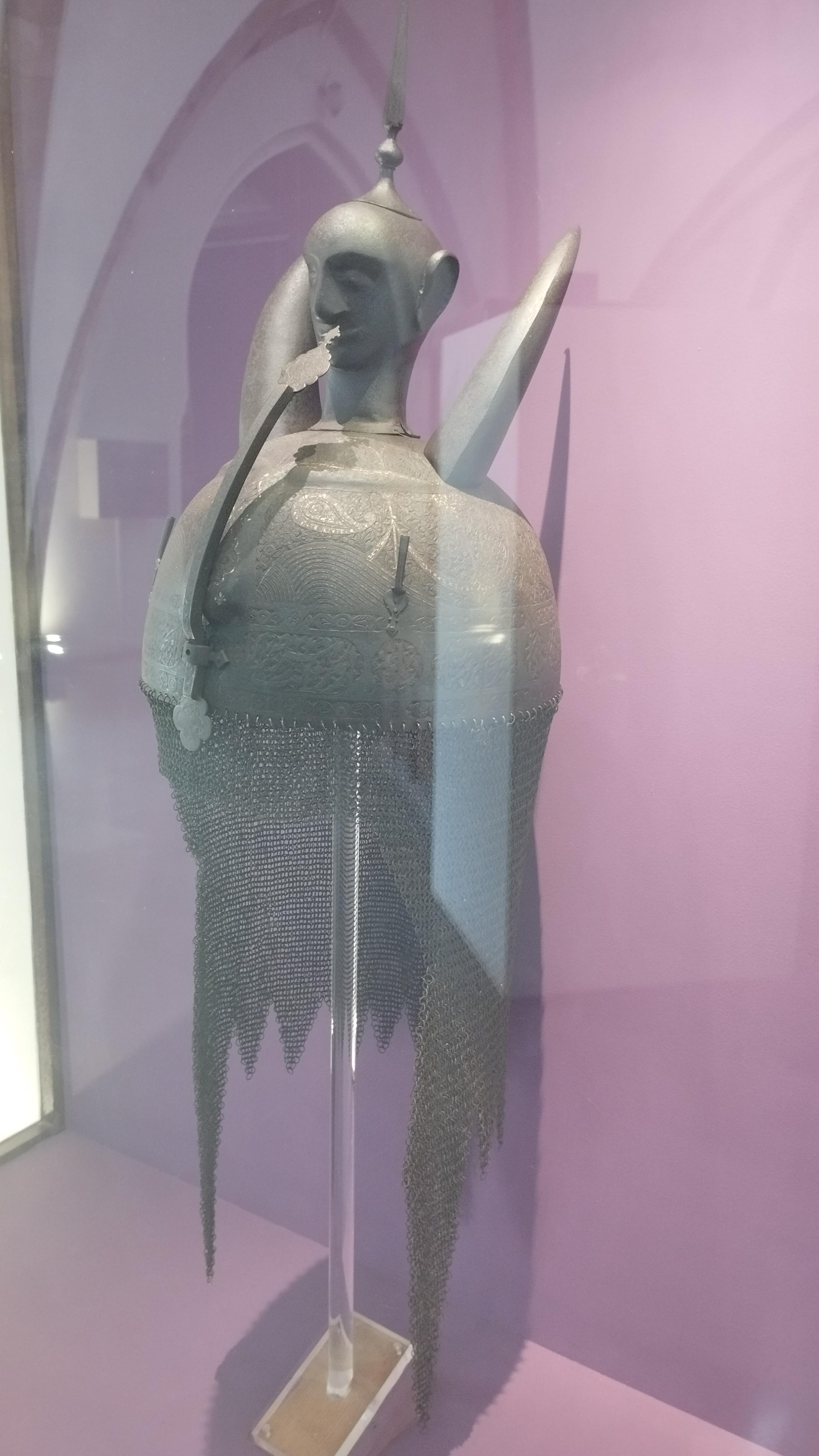
Question Does anyone know why helmet is so huge?

Post image
30 Upvotes

This picture was taken from the Chatrapati Shivaji maharaj vastu sangralay in Mumbai. It may not look like in the picture, but the helmet size is absolutely huge and it doesn't belong on a normal human head. Even if someone is 7ft in height his head won't be that big?was it only for display or ceremonial purposes? Does anyone have any idea of it's true origin?


r/IndianHistory • • 22h ago

Question Is it true that 95% of Sanskrit manuscripts discovered in India have not been critically analysed?

6 Upvotes

I recently came across the claim that 90-95% of Sanskrit manuscripts found in India have not been analysed by historians and they remain in private collection, monasteries and temple libraries. How true is this claim?

If true, then what are the chances that we find previously-undiscovered historical works like royal biographies (Harshacharita) or genealogy history (Rajtarangani) in them. Obviously most of them will be religious or philosophical in nature, but some historical work should be there, right?

Source: https://www.newindianexpress.com/amp/story/thinkedu2020/2020/Jan/08/hidden-treasure-95-of-indias-ancient-manuscripts-yet-to-be-translated-says-bibek-debroy-2086890.html


r/IndianHistory • • 1d ago

Artifacts Can someone please help me identify what is in her lower right hand? Chola bronze Kali idol housed in Musee Guimet, Paris

Post image
48 Upvotes

r/IndianHistory • • 1d ago

Colonial 1757–1947 CE Seeking Advice on British Colonial Archives in London for Research on Bengal

7 Upvotes

I am an economic history researcher looking for advice from anyone who has worked with British colonial archives, particularly records related to Bengal.

My research focuses on the historical evolution of land ownership and land tenure in East and West Bengal, especially around the Permanent Settlement of 1793 and its long-run implications for zamindari institutions and agrarian structures. My work is primarily quantitative, so I am particularly interested in historical records that could help me construct datasets.

I understand that the British Library's India Office Records and The National Archives at Kew may have relevant materials. I am also interested in archives in India and Bangladesh.

I currently live in the United States, so visiting London would require some careful planning. If you have worked with these archives, I would also love to know how much time I should allocate for a research trip and whether there are any access procedures I should prepare for.

Any suggestions or experiences would be greatly appreciated!


r/IndianHistory • • 2d ago

Question Who does this painting actually represent? I've literally seen this painting being used to represent Chandragupta Maurya, Ashoka, Samudragupta, and Chandragupta II

Post image
67 Upvotes

r/IndianHistory • • 1d ago

Question Guys can you tell me how historical accurate is chandragupta mauriya Tv serial is?

1 Upvotes

Just a thought comes to my mind.

Pls tell me ♥️


r/IndianHistory • • 2d ago

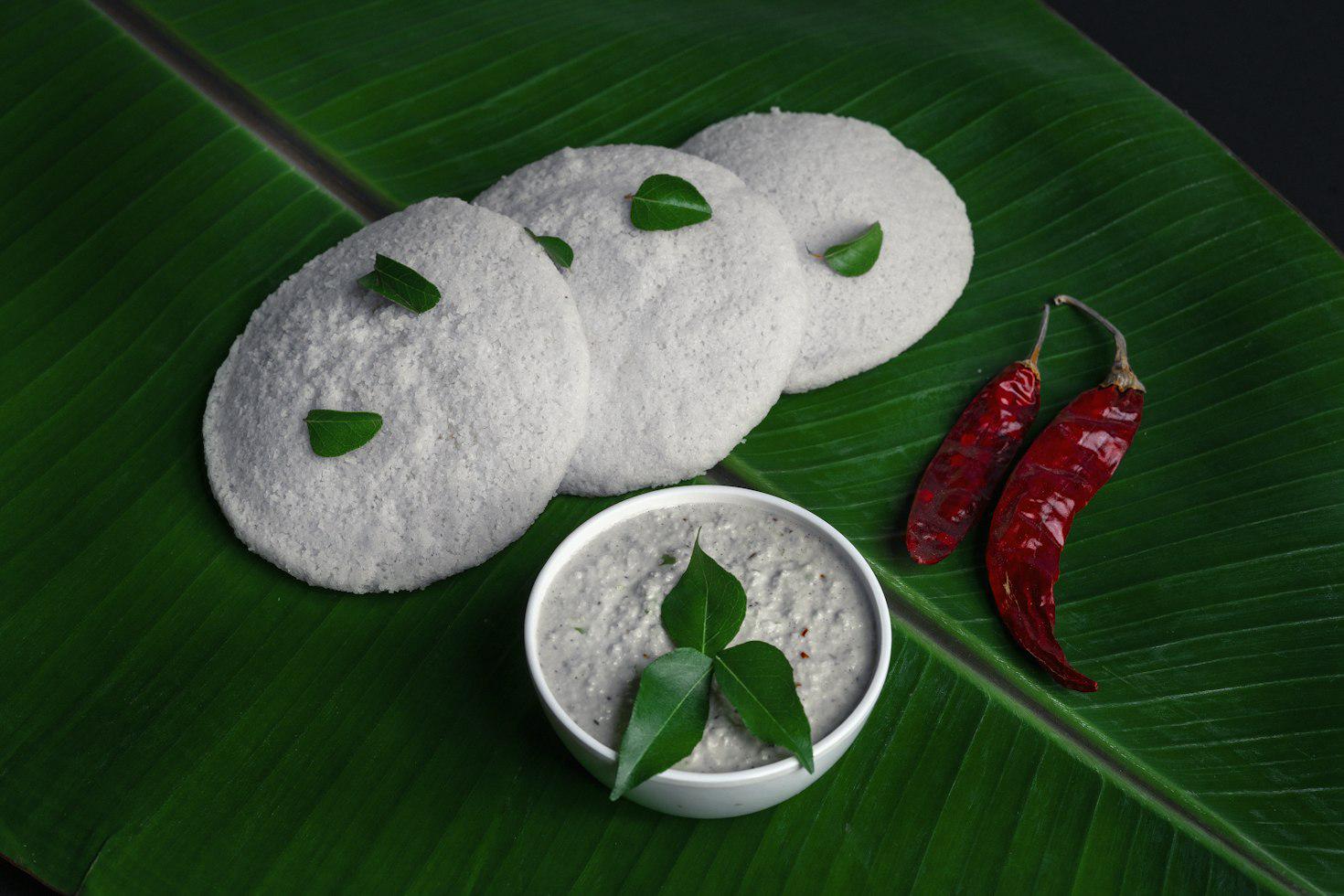
Early Medieval 550–1200 CE The claim that idli came from Indonesia is much more speculative than people make it sound

Post image
149 Upvotes

I keep seeing claims that idli was brought to India from Indonesia, largely based on K. T. Achaya's theory. The frustrating part is how a hypothesis gets repeated until people start treating it as established history.

This has even entered mainstream conversations. Ranveer Brar reportedly repeated the Indonesian-origin theory on KBC. When a celebrity chef says something like this on national television, millions of people can walk away thinking the matter is settled.

But what does the actual historical evidence say?

1. Vaddaradhane (ವಡ್ಡಾರಾಧನೆ), around the 9th–10th century

This Kannada literary work, attributed to Shivakotiacharya, mentions a preparation called iddalige. It is an early textual reference to an idli-like food from Karnataka.

Book reference: Shivakotiacharya, Vaddaradhane, edited by D. L. Narasimhachar, 1949.

2. Lokopakara (ಲೋಕೋಪಕಾರ), around 1025 CE

Written by Chavundaraya II, this Kannada encyclopaedic work describes an iddalige preparation involving black gram and other ingredients.

Book reference: Chavundaraya II, Lokopakara; English edition by Valmiki Sreenivasa Ayangarya, Asian Agri-History Foundation, 2006.

3. Manasollasa, around 1130 CE

This Sanskrit encyclopaedia, associated with the Western Chalukya king Someshvara III, mentions iddarika, another related preparation.

Book reference: Someshvara III, Manasollasa, edited by G. K. Shrigondekar, Vol. 1, Central Library, Baroda, 1925.

These aren't modern social media claims. They are references in historical texts that people can actually look up.

Now, to be fair, the recipes described in these texts may not be identical to today's fermented rice-and-urad dal idli. Food evolves, ingredients change, and techniques develop over centuries. Nobody needs to pretend that the modern recipe has remained unchanged since the 10th century.

But here's the problem with the Indonesian theory: where is the contemporary Indonesian text documenting this supposed predecessor? Where is the historical recipe that establishes the connection? The often-mentioned Indonesian dish called kedli has been difficult to substantiate through historical documentation.

The theory suggests that, because South India and Indonesia had historical connections, the technique of making idli might have travelled from Indonesia to India. Cultural exchange certainly happened, but trade and contact alone don't prove the origin of a particular dish.

A theory about foreign influence is not the same thing as documented proof of foreign origin.

My issue isn't with exploring Indonesian influence on Indian food. Cultures have always exchanged culinary ideas. My issue is presenting a speculative theory as established fact while overlooking centuries-old indian literary evidence.

If we're going to discuss food history on national television, shouldn't we distinguish between what the sources actually document and what historians hypothesise?

Sources for anyone who wants to verify this:

Shivakotiacharya, Vaddaradhane (ವಡ್ಡಾರಾಧನೆ), ed. D. L. Narasimhachar, 1949.

Chavundaraya II, Lokopakara (ಲೋಕೋಪಕಾರ), c. 1025 CE; English edition by Valmiki Sreenivasa Ayangarya, 2006.

Someshvara III, Manasollasa, c. 1130 CE; ed. G. K. Shrigondekar, 1925.

K. T. Achaya, Indian Food: A Historical Companion (for the proposed Indonesian connection).

The early texts support the existence of idli-like preparations in India. They don't conclusively establish the exact origin of the modern recipe, but neither does the Indonesian hypothesis establish an Indonesian origin. That distinction matters.